.png)
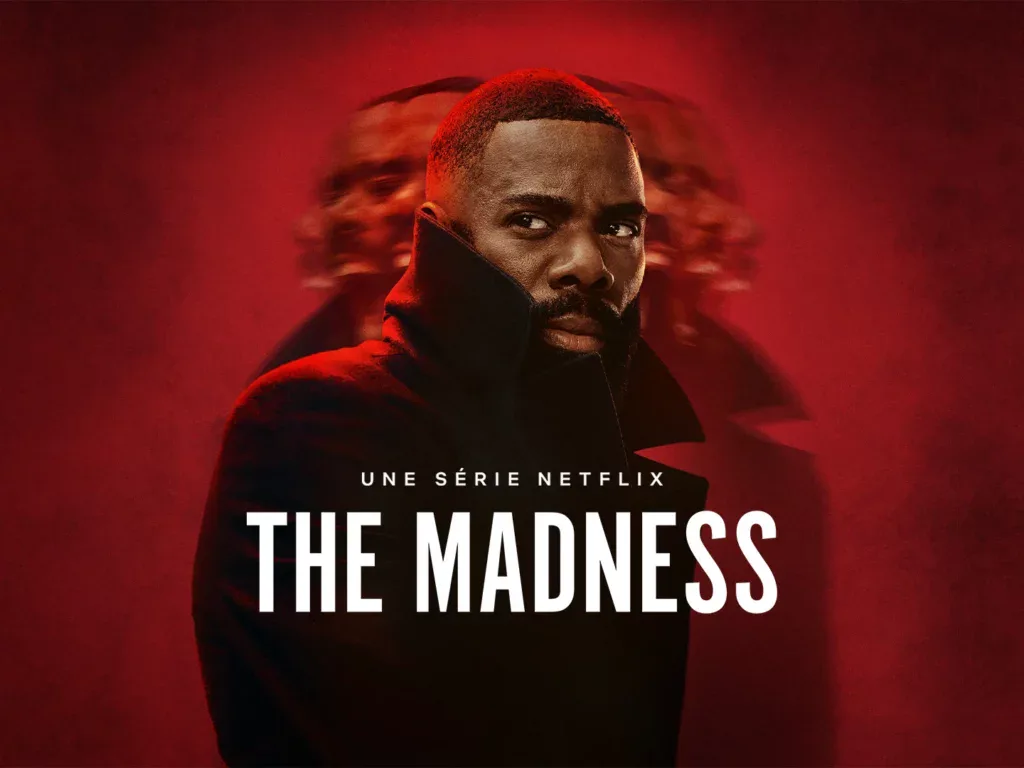
The Madness Shop TV Series: Inside Cult Classics' Secrets
When the first episode of The Madness Shop aired, it seemed like just another quirky drama, but it quickly spiraled into a cultural touchstone that still sparks conversation today. Fans are drawn to its off‑beat charm, its daring storytelling, and the way it celebrates the oddities of everyday life. This series has become a benchmark for cult classics, offering layers of mystery, humor, and unexpected depth. In this deep dive, we’ll explore the hidden gems that made The Madness Shop a beloved phenomenon, uncover the production secrets that fueled its distinct vibe, and reveal why it continues to captivate new audiences.
The Rise of a Cult Phenomenon – The Madness Shop's Unique Appeal
The Madness Shop captivated viewers right from the pilot with its unconventional premise: a dimly lit storefront where patrons could purchase surreal experiences instead of ordinary goods. This bold concept resonated with audiences hungry for something fresh, setting the series apart from mainstream fare. The show’s visual style—sharp contrasts, neon accents, and meticulous set design—created an immersive world that felt both familiar and unsettling.
Beyond aesthetics, the series tapped into universal themes of desire, regret, and the human yearning for escape. Each episode presented morally ambiguous choices, encouraging viewers to question their own values. By blending dark comedy with thoughtful drama, The Madness Shop built a loyal fanbase that eagerly dissected every twist and hidden clue.
Behind the Scenes – Production Secrets That Shaped the Series
One of the most fascinating aspects of The Madness Shop is its innovative production process. The creators employed a hybrid filming technique, merging traditional studio sets with on‑location shoots in abandoned warehouses. This approach lent authenticity to the series’ eerie atmosphere while maintaining control over lighting and sound. The result was a seamless blend of gritty realism and stylized fantasy.
Another secret lies in the show's collaborative writing room. Writers were encouraged to submit personal anecdotes, which were then woven into character backstories. This method injected genuine emotion into the narrative, making the absurd situations feel deeply personal. Additionally, the series pioneered the use of practical effects over CGI for many of its signature sequences, giving the show a tactile, grounded feel that resonated with fans.
Iconic Episodes and Fan‑Favorite Moments
Among the most celebrated episodes is “Midnight Bargain,” where a reluctant protagonist trades a cherished memory for a fleeting glimpse of fame. The episode’s masterful use of flashbacks and fragmented storytelling left viewers questioning the nature of reality. Another standout, “The Mirror Room,” featured an intricate set piece—a labyrinth of reflective surfaces that symbolized the characters’ inner turmoil.
Fans also adore the recurring cameo of the enigmatic shopkeeper, whose cryptic remarks often foreshadow future plot twists. These subtle cues sparked endless online debates and fan theories, turning each episode into a puzzle to be solved. The show’s soundtrack, curated by indie artists, further amplified emotional beats, making scenes instantly memorable.
Legacy and Why It Still Resonates Today
Even years after its final season, The Madness Shop remains a touchstone for creators exploring unconventional storytelling. Its influence is evident in contemporary series that blend surrealism with grounded drama. Moreover, the show’s commitment to exploring the gray areas of morality continues to inspire discussions about ethical dilemmas in modern media.
The enduring popularity of The Madness Shop can be credited to its timeless relevance. In an age where audiences crave authenticity and depth, the series offers a rare combination of visual flair, thoughtful narrative, and emotional resonance. As new viewers discover its hidden layers, the cult classic stands as a testament to the power of daring creativity and the lasting impact of well‑crafted storytelling.


